
Payout speed is one of the most misunderstood parts of the online casino experience. Many players assume it refers only to the moment money arrives in a bank account or digital wallet, but in practice it includes several stages. First comes the pending period, when a withdrawal request may sit for internal review. Then there is the operator’s own processing window, followed by the banking-method timeline. The full withdrawal experience depends on all three.
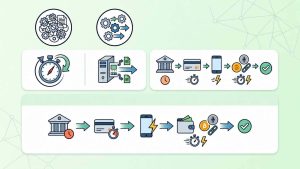
That distinction matters because casinos often advertise “fast withdrawals” while the actual experience varies by payment method and by how quickly the operator approves the request. In Canada, this has become a more visible point of comparison. Some operators now publish average withdrawal times or at least clearer processing estimates, using speed as a competitive signal in the same way they once emphasized game count or promotions. When looking at specific licensed examples, current media roundups provide a useful starting point, including coverage of fast-payout options for Canadian players.
Why payout speed matters more now
The modern online casino market is faster in nearly every respect. Deposits are usually instant. Mobile gaming is seamless. Live casino products keep activity continuous. In that environment, a slow withdrawal becomes more noticeable. A long wait feels out of place when every other part of the transaction cycle is built around convenience.
Canadian operators have started responding by making withdrawal details more visible, though not always consistently. A useful comparison should separate the operator’s internal approval time from the transfer speed of the payment method. A casino that approves in a few hours but sends money through a slower method is different from one that delays approval for several business days before the transfer begins.
That concern is not new in a broader historical sense. Gambling systems have always depended on trust in how money is handled. Reflections on older gaming traditions, including gambling in the American colonies, show that confidence in the rules and in settlement has long mattered as much as the games themselves.
Interac e-Transfer withdrawals
For Canadian users, Interac e-Transfer is one of the most familiar payout methods. It fits ordinary banking habits and is widely recognized, which makes it convenient. Where it performs well is often after the request is approved: once released by the casino, funds can arrive relatively quickly.
The weak point is that Interac speed still depends heavily on the operator’s pending period. If a casino reviews requests only at certain times or applies extra verification steps, the overall withdrawal may still take longer than expected. So while Interac can be a fast method, it is not automatically a fast experience. The more reliable operators are the ones that explain their approval process clearly and treat routine withdrawals efficiently.
E-wallet payouts
E-wallets often remain the benchmark for speed. Because they are built for digital transfers, they usually reduce some of the friction attached to direct banking. Once approved, withdrawals to e-wallets are commonly quicker than card or bank methods.
The biggest advantage is consistency. Delays are more likely to come from the casino’s own review process than from the payment system itself. That makes e-wallet timelines easier to compare across operators. In practical terms, a site offering same-day or near-same-day e-wallet withdrawals usually presents a stronger speed profile than one relying mainly on slower routes.
Trust in familiar systems matters here too. Just as popular games gain staying power through established rules and user familiarity — something reflected in the long history of blackjack — payment methods are often judged by how predictable they feel.
Crypto payouts
Crypto withdrawals are often promoted as the fastest option, and sometimes they are. Once initiated, blockchain-based transfers can move quickly and may bypass parts of the traditional banking chain. But speed still depends on the casino’s approval process, network conditions, and the user’s comfort with wallets and token handling.
In Canada, crypto is still more specialized than universal. It may offer shorter transfer times, but it introduces more complexity than Interac or e-wallets. Fast does not always mean simple. For many users, that trade-off matters.
Transparency matters most
The most important trend in the Canadian market may be transparency itself. Operators increasingly understand that withdrawal speed is no longer a minor technical detail. Publishing realistic payout windows, separating pending times from transfer estimates, and clarifying method-specific differences all help users make better comparisons.
That principle applies broadly across gaming history. Whether discussing casino habits or older forms of structured play, such as Parcheesi and traditional game systems, rules and clarity shape confidence as much as entertainment does.
For independent support and safer-gambling information in Canada, the Responsible Gambling Council is a useful external reference.
In the end, comparing payout speeds at Canada’s top online casinos is less about identifying a single fastest operator than about understanding where delays occur. Pending periods, approval policies, and payment-method differences all shape the final result. The most useful casinos, from a consumer perspective, are the ones that explain those differences clearly and let users assess speed based on evidence rather than advertising.